
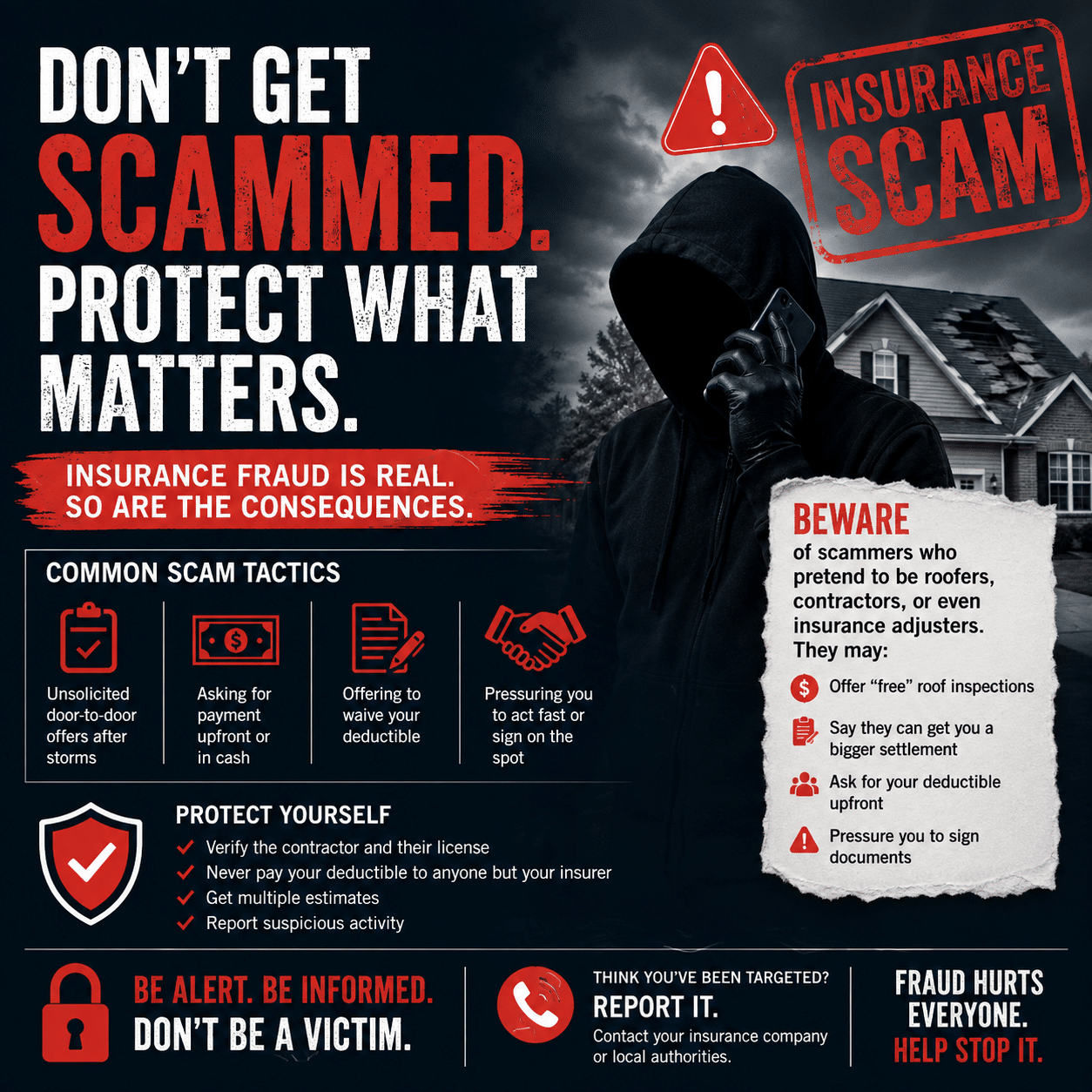
Artificial intelligence (AI) is transforming nearly every industry—including insurance. While AI is helping insurance companies process claims faster and detect fraud more effectively, it's also giving scammers powerful new tools to deceive consumers.
From fake accident photos to cloned voices that sound like your family members, AI-powered scams are becoming more sophisticated every day. The good news? Knowing what to look for can go a long way toward protecting yourself.
At Lew Griffin Insurance, we believe education is one of the best forms of protection. Here's what every Ohio family should know.
- Fake Accident Photos Are Becoming Nearly Impossible to Spot
In the past, scammers relied on poorly edited photos or obvious fabrications. Today, AI can generate realistic images of vehicle damage, accidents, or property destruction in minutes.
While insurance companies use advanced technology to detect manipulated images, consumers should also be cautious. If someone sends you photos claiming you caused damage or were involved in an accident, don't assume they're legitimate.
Protect yourself by:
- Taking photos and videos immediately after any accident.
- Using your own documentation instead of relying on someone else's.
- Contacting your insurance company before discussing payment with another party.
- AI Can Create Fake Insurance Documents
Fraudsters can now generate convincing-looking insurance ID cards, declarations pages, invoices, and even letters that appear to come from legitimate insurance companies.
These fake documents are often used to:
- Trick people into paying fraudulent invoices
- Convince buyers that a vehicle is properly insured
- Support fake accident claims
- Steal personal information
If something seems unusual, verify it directly with your insurance carrier or your independent insurance agent.
- AI Voice Cloning Is Fooling Families
One of the fastest-growing scams involves AI-generated voices.
A scammer may only need a few seconds of audio from social media, YouTube, or another online source to recreate someone's voice. Victims have received calls from what sounds exactly like a child, spouse, or grandchild claiming they've been in an accident and urgently need money.
These scams are emotionally convincing because the voice sounds authentic.
How to Protect Yourself
- Never send money based solely on a phone call.
- Hang up and call your loved one directly using a known phone number.
- Establish a family "safe word" for emergency situations.
- Be skeptical of anyone creating urgency or demanding secrecy.
- Deepfake Videos Are Making Fraud Even Harder to Detect
Deepfake technology allows criminals to generate realistic videos that appear to show real people saying or doing things they never actually did.
While this technology is still emerging in insurance fraud, experts expect it to become increasingly common.
If you're asked to verify information through an unfamiliar video call or receive suspicious video evidence related to an insurance claim, slow down and verify the source before taking action.
- Phishing Emails Are Smarter Than Ever
Traditional phishing emails often contained spelling mistakes or awkward grammar. AI has changed that.
Today's fraudulent emails may:
- Use your name correctly
- Reference your insurance company
- Include realistic logos and formatting
- Appear to come from legitimate email addresses
- Ask you to click a link to "verify" your policy or make a payment
Before clicking any link:
- Check the sender's email address carefully.
- Visit your insurance company's website directly instead of using emailed links.
- Call your insurance agent if you're unsure whether a message is legitimate.
Why Working with an Independent Insurance Agency Matters
Technology is changing rapidly, but one thing hasn't changed: having a trusted local advisor can make all the difference.
As an independent insurance agency, Lew Griffin Insurance works with multiple insurance carriers and serves as your advocate—not just when you're shopping for coverage, but whenever questions or suspicious situations arise.
If you ever receive a questionable insurance document, suspicious phone call, unexpected email, or unusual claim request, we're happy to help you verify whether it's legitimate before you take action.
Sometimes, a five-minute phone call can prevent thousands of dollars in losses.
Simple Ways to Stay Protected
Here are a few habits that can help reduce your risk:
- Keep your insurance company and agent's contact information readily available.
- Never send payments based on unsolicited phone calls or emails.
- Verify any unusual requests through official channels.
- Use strong, unique passwords and enable multi-factor authentication whenever possible.
- Review your insurance policies annually to ensure your contact information is current.
The Bottom Line
Artificial intelligence isn't going away—and neither are the criminals looking to exploit it. As these scams become more convincing, staying informed is your best defense.
If you're ever unsure about an insurance-related email, phone call, document, or claim, don't guess.
Reach out to the experienced team at Lew Griffin Insurance. We're here to help you separate fact from fiction and ensure you're protected from both traditional risks and today's emerging digital threats.
Have questions about your coverage or concerns about a suspicious insurance communication? Contact Lew Griffin Insurance today for expert guidance and a complimentary policy review.